
 By Callum Liam
Modular laptops—devices built with easily replaceable and upgradeable components—are no longer niche experiments. In recent years, they have shifted from futuristic concepts to serious contenders in the consumer laptop market. Their growing acceptance is fueled by changing user expectations, sustainability concerns, and advances in modular engineering.
What Makes a Laptop “Modular”?
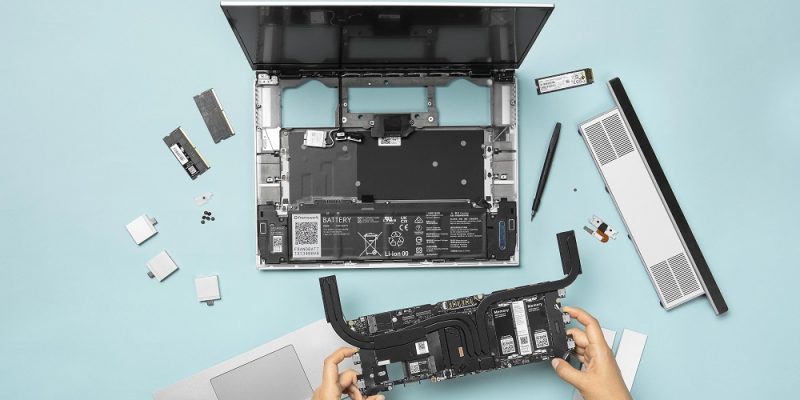
A modular laptop is designed so users can swap or upgrade essential parts without professional repair services. Common replaceable components include:
-
RAM and storage drives
-
Batteries
-
Displays
-
Keyboards and ports
-
Motherboards or CPU modules (in advanced models)
This design philosophy prioritizes customization and longevity, unlike traditional laptops that often rely on soldered or sealed components.
The Shift Toward Repairability and Sustainability
Increasing Environmental Awareness
Consumers and organizations are more conscious of electronic waste. Modular laptops directly address this issue by extending device lifespan, reducing the need to discard entire systems when only one part fails or becomes outdated.
Government and Industry Push
Several regions have introduced right-to-repair regulations, making it easier for users to service their own devices. Modular laptops align naturally with these policies, contributing to their increased adoption.
Technological Improvements Making Modularity Practical
More Efficient Modular Engineering
Earlier modular designs were bulky or lacked performance parity with traditional laptops. Improvements in thermal management, standardized connectors, and compact modular components now enable sleek, capable systems that compete with mainstream devices.
Better Supply Chains & Parts Availability
Brands specializing in modular laptops have expanded distribution networks, making parts easier to order and replace. This accessibility is key to mainstream user adoption.
Customization: A Growing User Expectation
Modern users want devices that fit their specific workflow. Modular laptops allow:
-
Custom port configurations
-
Upgraded graphics or processors in some systems
-
Color or layout customization
-
Long-term performance scaling without repurchasing a full device
This flexibility resonates strongly with power users, businesses, and tech enthusiasts.
Cost Efficiency Over Time
Although modular laptops can have a slightly higher upfront cost, they offer major savings long-term. Instead of buying an entirely new laptop every few years, users can upgrade only the necessary components. This appeals to budget-conscious consumers and companies managing large fleets of devices.
The Role of Community and Open Ecosystems
Some modular laptop makers embrace open-source principles, offering documentation, repair guides, and community forums. This fosters innovation, encourages third-party components, and drives confidence among buyers who prefer transparent product ecosystems.
Mainstream Brand Adoption
As demand grows, more established laptop manufacturers are exploring partial or full modularity. Even incremental modular features—like replaceable ports or keyboard modules—signal a shift toward broader industry acceptance.
FAQs
1. Are modular laptops as powerful as traditional laptops?
Yes, modern modular laptops can match or exceed the performance of standard laptops, depending on configuration and available upgrade modules.
2. Do modular laptops cost more?
Upfront costs may be slightly higher, but the ability to upgrade parts instead of replacing the entire device often results in long-term savings.
3. Can beginners easily repair a modular laptop?
Most modular laptops are designed with beginners in mind, featuring labeled components and step-by-step instructions for performing upgrades or repairs.
4. Will modular laptops become the new industry standard?
While not guaranteed, increasing sustainability demands and right-to-repair policies suggest modularity will grow significantly in mainstream adoption.
5. Are all laptop parts interchangeable across brands?
No. Each manufacturer designs proprietary modules, though some standardization efforts are emerging within the industry.
6. Do modular laptops affect battery life or thermal performance?
Modern engineering advancements allow modular laptops to maintain competitive thermals and battery performance comparable to traditional models.
7. Can businesses benefit from switching to modular laptops?
Absolutely. Modular laptops simplify maintenance, reduce equipment turnover costs, and support sustainability goals—making them attractive for enterprise use.