
 By Callum Liam
Introduction
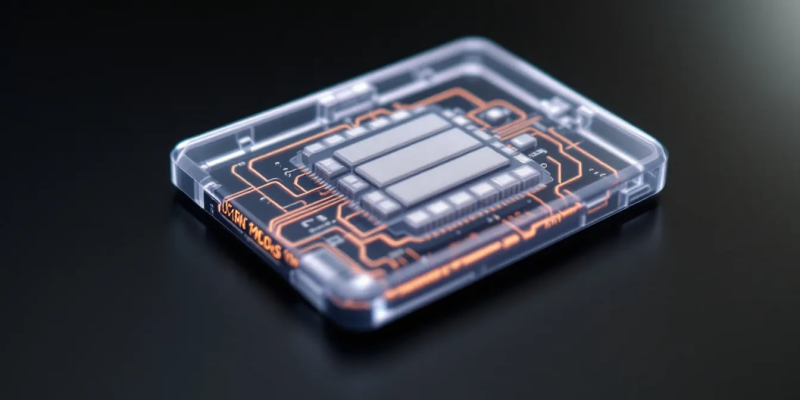
Ultra-thin battery technology represents a major leap in energy storage innovation, enabling powerful yet incredibly compact power sources for the next generation of smart devices. As electronics continue to shrink while demanding more functionality, these ultra-thin power systems are becoming essential to meeting the expectations of performance, portability, and design.
What Is Ultra-Thin Battery Technology?
Ultra-thin batteries are extremely compact energy-storage solutions typically measuring less than a millimeter in thickness. Despite their slim structure, they deliver strong and consistent power, thanks to their advanced material composition and manufacturing methods.
Key Characteristics
-
Flexible and bendable designs suited for curved or foldable electronics
-
Minimal weight, making them ideal for wearables and micro-devices
-
Stable energy output with enhanced safety mechanisms
-
High energy density compared to traditional compact batteries
How Ultra-Thin Batteries Work
Ultra-thin batteries operate using a layered architecture where each functional component—cathode, anode, electrolyte, and protective layers—is deposited through precision thin-film techniques. This not only reduces thickness but also improves efficiency and stability.
Core Working Principles
-
Thin-film deposition forms micron-level layers for efficient ion transfer
-
Solid-state electrolytes enhance safety and conductivity
-
Micro-engineered structures maximize energy storage in minimal space
Key Materials Driving Innovation
Ultra-thin batteries rely on highly specialized materials engineered for performance, flexibility, and durability.
1. Solid-State Electrolytes
These electrolytes replace traditional liquid solutions, offering improved safety, heat resistance, and reliability.
2. Lithium-Based Thin Films
Materials such as lithium phosphorus oxynitride (LiPON) provide strong ionic conductivity and long operational life in thin, stable layers.
3. Flexible Substrates
Polymer-based substrates allow the battery to bend, fold, and integrate seamlessly into smart textiles and flexible electronics.
Applications Powering Next-Generation Devices
Wearable Technology
Wearables like smart bands, fitness trackers, and AR glasses depend on compact, long-lasting power sources. Ultra-thin batteries fit perfectly into slim, curved designs without adding bulk.
Medical Implants
Miniaturized medical devices such as biosensors, micro-pumps, and health monitors benefit greatly from thin, biocompatible power storage.
IoT Devices
Sensor nodes, smart tags, and wireless modules require low-profile, efficient batteries to maintain long-term operation with minimal size constraints.
Smart Cards and Authentication Systems
Ultra-thin batteries support embedded electronics in identification cards, access systems, and contactless payment technologies.
Flexible and Foldable Electronics
Next-gen smartphones, rollable displays, and e-paper devices require power systems that can bend without performance loss, making ultra-thin batteries indispensable.
Advantages Over Traditional Batteries
1. Superior Form Factor
Their ultra-slim and flexible design allows integration into devices previously impossible to power with conventional batteries.
2. Enhanced Safety
Solid-state electrolytes significantly reduce leakage and combustion risks.
3. Longer Cycle Life
Thin-film batteries maintain performance over extended use thanks to stable internal structures.
4. Precision Manufacturing
Micro-layer deposition provides uniformity and reliability, ideal for medical and industrial-grade electronics.
Challenges and Future Outlook
While the technology holds immense promise, challenges remain, including scaling up production, improving energy capacity, and reducing manufacturing costs. Ongoing research aims to enhance material performance, enable mass-market affordability, and expand use cases from consumer electronics to aerospace.
The future points toward ultra-thin batteries becoming standard in smart textiles, ultra-flexible displays, biomedical devices, and autonomous micro-machines.
Frequently Asked Questions (FAQ)
1. How thin can ultra-thin batteries be?
Many ultra-thin batteries measure less than one millimeter, with some thin-film versions reaching only a few micrometers in thickness.
2. Are ultra-thin batteries safe for medical implants?
Yes, especially models using solid-state electrolytes, which offer enhanced safety and stability.
3. Can ultra-thin batteries recharge quickly?
Certain thin-film designs support rapid charging due to their efficient ionic pathways, though performance varies by material.
4. What devices benefit most from ultra-thin batteries?
Wearables, IoT sensors, medical implants, smart cards, and flexible electronics are major beneficiaries.
5. Do ultra-thin batteries have long lifespans?
Thin-film batteries generally provide excellent cycle life, often outperforming traditional rechargeable cells in longevity.
6. Can these batteries be integrated into clothing?
Yes, flexible substrates allow integration into smart textiles for health tracking and wearable electronics.
7. How soon will ultra-thin batteries become mainstream?
Adoption is rapidly increasing, and widespread commercial use is expected as manufacturing scales and costs decrease.