
 By Callum Liam
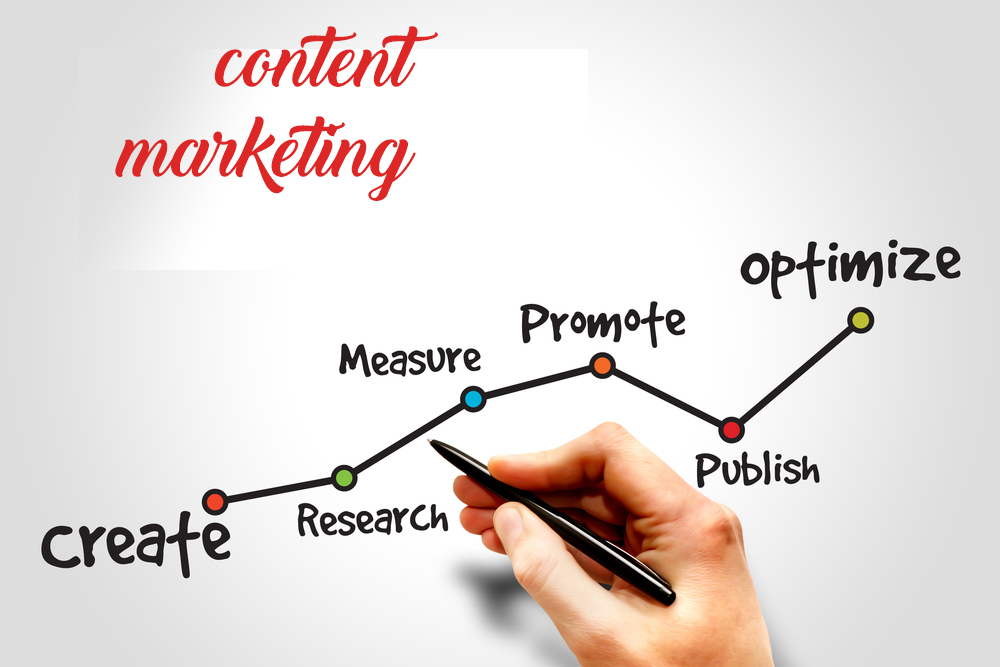
Content marketing is one of the most effective ways businesses attract audiences, build trust, and convert attention into measurable results. Instead of relying on interruptions such as traditional ads, it focuses on delivering valuable information that solves real problems for a defined audience.
When executed strategically, content marketing strengthens brand credibility, improves search visibility, and creates consistent engagement across digital platforms.
What Is Content Marketing
Content marketing is a structured approach to creating and distributing useful, relevant, and consistent information to attract and retain a clearly defined audience.
Unlike direct promotion, it prioritizes education and value before conversion. Over time, this approach builds trust that supports stronger customer relationships and higher retention rates.
Common content marketing formats include:
- Blog articles
- Guides and tutorials
- Videos
- Case studies
- Infographics
- Email newsletters
- Podcasts
- Social media content
Each format plays a specific role within a broader content strategy.
Why Content Marketing Matters for Modern Businesses
Consumers today research extensively before making decisions. Content marketing supports this behavior by providing reliable answers at every stage of the decision journey.
Key advantages include:
Improved organic visibility
Search engines prioritize helpful and structured content that addresses user intent.
Stronger audience trust
Educational content positions brands as reliable information sources.
Lower long-term acquisition costs
Compared with paid advertising, content continues generating traffic over time.
Better lead quality
Audiences who engage with informative content are more likely to convert.
Consistent brand authority
Publishing insights regularly strengthens industry credibility.
Core Elements of an Effective Content Marketing Strategy
A successful strategy requires more than publishing articles regularly. It must align with audience needs and business objectives.
Audience Research
Understanding audience expectations is essential.
Research should identify:
- Pain points
- Interests
- Search behavior
- Preferred content formats
- Buying motivations
This ensures content answers meaningful questions instead of guessing topics.
Clear Objectives
Content marketing goals often include:
- Increasing website traffic
- Generating qualified leads
- Improving brand awareness
- Supporting customer retention
- Strengthening search rankings
Each objective should be measurable and time-bound.
Content Planning Framework
A structured publishing plan improves consistency and performance.
Effective planning includes:
- Keyword research
- Topic clustering
- Editorial calendars
- Content themes
- Seasonal alignment
Consistency increases both audience engagement and algorithmic visibility.
Value-Driven Content Creation
High-performing content solves problems rather than repeating generic information.
Strong content typically includes:
- Practical insights
- Step-by-step explanations
- Examples and use cases
- Data-backed reasoning
- Clear structure
Depth improves both readability and credibility.
Distribution Strategy
Publishing alone does not guarantee visibility.
Content distribution channels may include:
- Search engines
- Email newsletters
- Social platforms
- Industry communities
- Partnerships and collaborations
Strategic distribution multiplies reach without increasing production costs.
Types of Content That Deliver Strong Results
Different content formats serve different marketing purposes.
Educational Blog Articles
These help answer search queries and build authority over time. They are especially effective for attracting organic traffic.
Long-Form Guides
Comprehensive resources demonstrate expertise and encourage longer engagement sessions.
Case Studies
Real-world examples show measurable outcomes and strengthen credibility during evaluation stages.
Visual Content
Infographics simplify complex ideas and increase shareability.
Email Content
Email supports relationship building and audience retention through personalized communication.
Content Marketing Funnel Explained
Content marketing supports audiences at multiple decision stages.
Awareness Stage
At this stage, audiences explore problems or opportunities.
Best content types include:
- Introductory guides
- Blog articles
- Explainer videos
- Educational social posts
Consideration Stage
Here audiences compare options and evaluate solutions.
Effective formats include:
- Comparison articles
- Tutorials
- Expert insights
- Webinars
Decision Stage
Audiences are ready to choose a solution.
Strong content includes:
- Case studies
- Testimonials
- Product walkthroughs
- Implementation examples
Matching content to intent improves conversion efficiency.
How Search Optimization Supports Content Marketing
Search visibility plays a major role in content performance.
Important optimization practices include:
Intent-based keyword selection
Focus on what users are trying to solve.
Structured formatting
Headings and clear sections improve readability and ranking potential.
Internal linking
Connecting related topics strengthens topic authority.
Consistency in publishing
Search engines reward active and reliable content sources.
Optimization ensures valuable content reaches the right audience.
Measuring Content Marketing Performance
Tracking results ensures strategies remain effective and scalable.
Important performance indicators include:
- Organic traffic growth
- Engagement time
- Conversion rates
- Lead quality
- Search visibility improvements
- Returning visitor percentage
Data-driven adjustments improve long-term outcomes.
Common Content Marketing Mistakes to Avoid
Even well-planned strategies can underperform without execution discipline.
Frequent mistakes include:
Publishing without strategy
Random topics rarely build authority.
Ignoring audience intent
Content must solve real problems.
Inconsistent posting schedules
Irregular publishing weakens visibility.
Overly promotional messaging
Value-first communication builds stronger trust.
Neglecting performance analysis
Measurement supports continuous improvement.
Avoiding these issues strengthens long-term results.
How to Build a Sustainable Content Workflow
A repeatable workflow supports consistency and efficiency.
Recommended structure includes:
- Topic research
- Keyword validation
- Content outlining
- Writing and editing
- Optimization
- Publishing
- Distribution
- Performance tracking
Structured workflows reduce delays and improve output quality.
Future Trends Shaping Content Marketing
Content marketing continues evolving alongside digital behavior.
Emerging trends include:
Personalized content experiences
Tailored messaging improves engagement.
Search intent alignment
Understanding user expectations drives visibility.
Multimedia integration
Combining video, text, and visuals increases retention.
Topic authority strategies
Clusters outperform isolated articles.
Long-term value content libraries
Evergreen content delivers sustained traffic.
Adapting early to these trends strengthens competitive advantage.
Frequently Asked Questions
What industries benefit the most from content marketing
Content marketing works effectively across industries including technology, healthcare, education, finance, and retail because audiences in these sectors actively research before making decisions.
How long does it take to see results from content marketing
Most strategies begin showing measurable traffic improvements within three to six months, while stronger authority signals typically develop over longer timelines.
Can small businesses compete using content marketing
Yes. Smaller organizations often succeed by focusing on niche topics and addressing specific audience problems more precisely than larger competitors.
How often should businesses publish content
Consistency matters more than frequency. Many organizations perform well with one to two high-quality pieces weekly supported by regular updates.
Is content marketing effective without social media support
Yes. Search-driven strategies alone can generate strong results, though combining search and social channels improves reach and engagement.
What skills are required for successful content marketing
Important skills include research, writing clarity, audience analysis, search optimization understanding, and performance measurement.
How can businesses maintain content quality at scale
Creating editorial guidelines, structured workflows, and topic clusters helps teams maintain consistency while expanding production volume.