 By Callum Liam
Indoor cycling has always been known for its rhythm, intensity and group motivation. In recent years, however, spinning in Singapore has moved into a new era where data, sensors and artificial intelligence are shaping how riders train, recover and progress. For adults balancing busy work schedules, family commitments and evolving fitness expectations, technology has become a powerful partner in improving the effectiveness of their workouts. As more riders join spinning classes, they are discovering how modern ride analytics help them understand their body better and achieve more consistent results.
Artificial intelligence and wearable sensors have transformed how people approach indoor cycling. Instead of relying on guesswork or vague feelings of effort, riders now have access to real-time metrics that show heart-rate zones, pedal smoothness, cadence consistency, left-right balance, power output and recovery readiness. These insights help riders customise their sessions so they work efficiently without risking overtraining. This is especially important in Singapore, where long work hours and high-stress environments can affect energy levels, recovery and physical resilience.
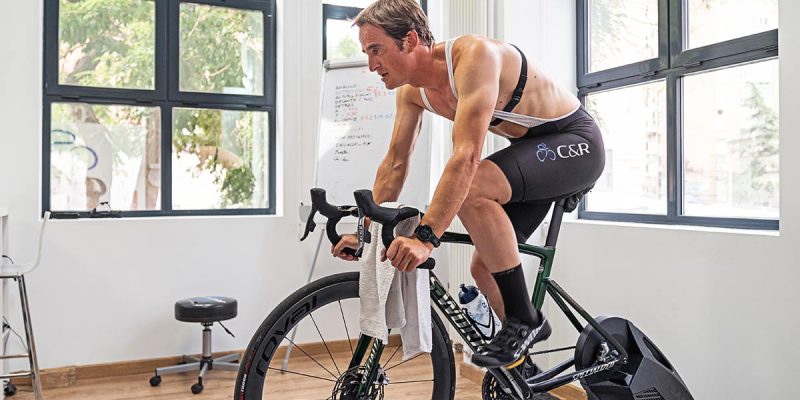
Technology has also reshaped the experience inside the studio. Smart bikes with built-in sensors provide live feedback, instructors use data-guided programming and AI-assisted tools help track long-term improvements. These advancements empower riders of all fitness levels to train with precision and avoid plateaus.
How Technology and AI Are Reshaping Indoor Cycling
The integration of AI into indoor cycling offers a level of personalisation that was previously impossible. Every rider brings a different fitness background, lifestyle pattern and physiological response. Technology bridges the gap by translating data into actionable insights.
Personalised effort zones for every rider
AI-driven systems analyse factors such as heart rate, previous ride performance, age and recovery patterns to generate personalised effort zones. This helps riders avoid pushing too hard on low-energy days or undertraining when they could have progressed.
Adaptive ride recommendations
After analysing performance trends, AI can suggest whether a rider needs more endurance work, more climbing sessions or more recovery days. This dynamic guidance is especially helpful for busy Singapore adults who want to make the most of each session.
Real-time form and performance feedback
Modern bikes track pedal symmetry, torque and power output. This feedback reduces injury risk and improves long-term muscle balance.
Enhanced post-ride analysis
AI tools summarise performance data into digestible insights. Riders can see where they improved, what challenged them and which areas to focus on next.
Smart Sensors That Improve Ride Efficiency
Wearables and bike-mounted sensors form the backbone of data-driven indoor cycling. They measure the body’s response to effort and help riders stay aligned with their goals.
Heart-rate monitors
These devices track cardiovascular intensity in real time, ensuring the rider stays within optimal zones. This is crucial for fat-burning, endurance building and stress management.
Cadence sensors
Rhythm is central to spinning. Cadence sensors ensure riders maintain smooth pedalling, reducing energy waste and improving muscle coordination.
Power meters
Power meters show how much force the rider is producing. Tracking power helps measure progress more accurately than calorie counts or subjective effort levels.
Motion and posture sensors
Some advanced systems monitor upper-body posture and hip stability. These sensors notify riders when their form needs adjustment to prevent fatigue or uneven muscle loading.
How Data Enhances Training for Singapore Riders
With juggling work, children, and an often demanding urban lifestyle, Singapore adults value efficiency. Ride analytics provide a way to optimise every minute spent in the studio.
Efficiency becomes measurable
Data helps determine whether a rider is training smart or simply training hard. This prevents burnout and enhances long-term progression.
Improved goal setting
Whether someone wants to increase endurance, lose fat or improve stamina for daily activities, data provides a clear starting point and trackable milestones.
Predictable progress
Having metrics to measure output helps riders avoid plateaus and maintain motivation.
Enhanced recovery awareness
AI-driven systems analyse resting heart rate, sleep patterns or previous performance to determine whether the body is ready for intense training. This is particularly useful for Singapore professionals who may be dealing with stress or irregular sleep.
Why Indoor Cycling Pairs Well with Technology
Indoor cycling is naturally structured, making it an ideal workout for AI integration.
Controlled environment
Unlike outdoor cycling, there are no traffic lights, weather changes or terrain differences. This ensures cleaner data and more accurate analytics.
Predictable intensity patterns
Climbs, sprints and steady-state intervals provide consistent patterns for AI to analyse and recommend improvements.
High cadence consistency
Spinning encourages riders to maintain steady rhythm, which makes performance metrics more reliable for long-term tracking.
Group environment enhances data application
Instructors can use collective data to adjust class flow, improving the experience for everyone.
How Technology Supports Mental Engagement During Sessions
Technology is not only about numbers. It also improves motivation.
Visual dashboards
Real-time information on screens encourages riders to stay focused and adjust effort levels.
Gamified performance
Metrics such as cadence challenges or power intervals tap into friendly competition within the class.
Heart-rate colour zones
These visual cues help riders regulate intensity without needing to think too hard, which allows them to stay immersed in the rhythm.
Better engagement during recovery intervals
Analytics help riders maximise recovery without slowing down too much or pushing unnecessarily.
Why AI Benefits Beginners and Advanced Riders Alike
Regardless of fitness level, AI provides personalised guidance that helps maximise performance safely.
For beginners
Technology helps them avoid overexertion, track basics like cadence and discover comfortable training zones.
For intermediate riders
Data points such as power, pedal symmetry and heart-rate zones allow them to refine technique.
For advanced riders
AI-generated performance trends help them push limits safely and avoid stagnation.
Practical Ways Riders Can Use Tech to Improve Their Sessions
To fully benefit from technology during indoor cycling, riders can incorporate simple habits.
-
Wear a heart-rate monitor to track real-time effort.
-
Review post-ride analytics to understand intensity patterns.
-
Use cadence feedback to match rhythm with music.
-
Aim for consistent power output during intervals.
-
Check recovery readiness before scheduling back-to-back high-intensity sessions.
These habits help riders make smarter choices that support both performance and wellbeing.
How AI Helps Prevent Overtraining
Overtraining is common in high-intensity fitness routines, especially among Singapore adults who push themselves hard despite fatigue. AI helps prevent this by identifying early warning signs.
Sudden drop in power or cadence
This can signal fatigue or insufficient recovery.
Elevated resting heart rate
AI systems flag this as a sign that the body needs more rest.
Reduced ability to maintain effort
This may indicate mental fatigue, sleep issues or stress.
Irregular breathing patterns
Breathing efficiency is often linked to overall cardiovascular performance.
By identifying these signs early, riders can adjust intensity and prevent injuries.
Why Singapore Riders Appreciate Data-Driven Indoor Cycling
Many adults in Singapore value precision and clarity. Data-driven spinning aligns well with that.
Time-efficient workouts
With precise metrics, riders get maximum value from short sessions.
Accountability
Data creates a sense of responsibility, encouraging consistent effort.
Personalised progression
AI ensures that every ride contributes towards a long-term goal.
Ease of integration into busy lifestyles
Technology helps riders stay informed, focused and consistent even with unpredictable schedules.
Why Many Choose Structured Studios for Tech-Enhanced Spinning
People prefer studios with proper equipment, experienced instructors and reliable systems that support data-driven workouts. Many riders trust established centres such as True Fitness Singapore because they provide stable environments where technology and training work together smoothly.
FAQs
Do I need to be tech-savvy to benefit from AI during spinning?
No. Most systems are user-friendly and require minimal interaction.
Are heart-rate monitors necessary for accurate data?
They improve accuracy but riders can still benefit from cadence and power metrics alone.
Does technology make spinning more difficult?
Not at all. It simply makes workouts more tailored, efficient and meaningful.
Can AI help me avoid fatigue during a busy work week?
Yes. AI indicates when the body needs more recovery, helping riders plan sessions wisely.
Will data make the workout feel less enjoyable?
Most riders find that data enhances motivation and increases satisfaction after class.