
 By Callum Liam
Every worker deserves to feel safe at work. Whether you’re on a construction site, in a hospital, or behind a desk, health and safety should be a non-negotiable. That’s where a health and safety representative (HSR) comes in, playing a vital role in ensuring workplaces are not only compliant but genuinely safe for everyone.
What Is a Health and Safety Representative?
A health and safety representative is an elected worker who represents their colleagues on health and safety matters. HSRs are not managers or supervisors; they’re everyday employees chosen by their peers to speak up, raise concerns, and help resolve safety issues in the workplace.
What Does a Health and Safety Inspector Do?
The HSR is protected under the Work Health and Safety Act, and they have the authority to perform various tasks for the safety and well-being of employees. Some of these include:
Inspect the Workplace
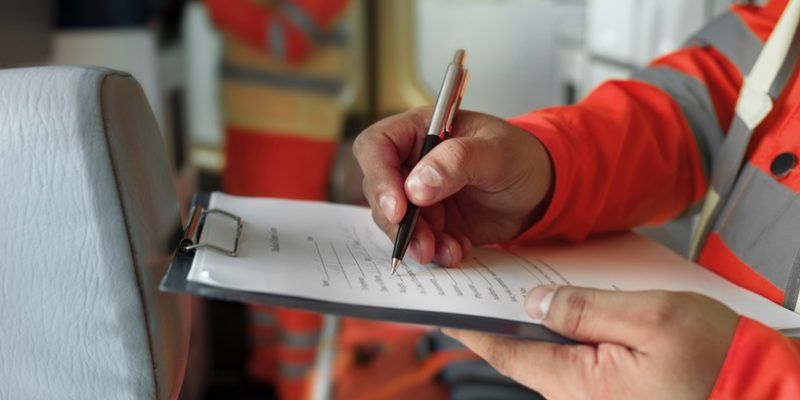
HSRs can carry out regular inspections to identify hazards, unsafe equipment, or risky procedures. These inspections can be scheduled or conducted after an incident or complaint. Their findings help initiate corrective action before accidents occur.
Request Health and Safety Information
HSRs have the right to access relevant safety documents, including risk assessments, incident reports, and safety data sheets. This transparency ensures workers are informed and that employers are held accountable for maintaining safe conditions.
Accompany Inspectors During Investigations
When an inspector visits the workplace, HSRs can accompany them to provide context, raise concerns, and ensure the inspection reflects the real experiences of workers. This helps inspectors get a clearer picture of workplace risks.
Issue Provisional Improvement Notices (PINs)
If an inspector identifies a safety issue that hasn’t been addressed, they can issue a PIN, which is a formal notice requiring the employer to fix the problem. PINs are a powerful tool that gives workers a direct voice in enforcing safety standards.
Why Health and Safety Representatives Matter
HSRs are essential for creating safer, fairer workplaces. They act as a bridge between workers and management, ensuring safety concerns are heard and acted on. Having an HSR means:
- Workers have a voice in safety decisions
- Risks are identified and addressed early
- Employers are held accountable for unsafe practices
- There’s a clear process for raising and resolving safety issues
How Unions Support the HSR
Unions play a key role in supporting HSRs. They provide training, legal advice, and advocacy to ensure HSRs can act confidently and effectively. Union-backed HSRs are better equipped to challenge unsafe practices and push for meaningful change.